Flooded Basement Cleanup Services in Grand Rapids
A flooded basement can come from a spring thaw, a hard thunderstorm, a failed sump pump or a broken pipe. Whatever the cause, the water needs to come out and the space needs to dry fully before damage spreads into walls, floors and stored belongings.
Betterbusy Restoration is a referral service. We do not do the cleanup ourselves. We connect homeowners in Grand Rapids and the Greater Grand Rapids area with independent local providers who handle water extraction, structural drying and cleanup. Many providers can respond quickly. You can request an estimate with no obligation, then decide what feels right for your home.
Standing Water in the Basement? Start Here
Seeing water across the basement floor is a shock. Take a breath. A few safe steps now can protect your family and make the cleanup easier. Then a local provider can take over the heavy work.
Stay Out Until the Space Is Safe
Basement water can hide real dangers. If it reaches outlets, the furnace or the electrical panel, do not wade in. Stay upstairs and keep children and pets away.
If you can reach the main breaker without stepping in water, you can switch off power to the basement. If you cannot, leave it alone and ask a licensed electrician or your utility for help. Also avoid touching the water if it may be sewage. Gloves and boots are the minimum for any contact.
Where Did the Water Come From?
Knowing the source helps the provider plan the work. It also tells you what to fix so the flood does not repeat. Know your basement, and write down what you noticed.
Rain, Melt and Rising Ground Water
Spring flooding, heavy storms and fast snowmelt can push water through floor cracks and wall seams. In areas with deep winter frost, frozen ground can also keep water from soaking away, so it heads for your foundation instead.
A Sump Pump That Gave Up
Many homes here have full basements with sump pumps. Pumps can fail during a power outage or when a storm overwhelms them. If yours was silent or running nonstop, tell the provider.
Pipes, Heaters and Drains
A split supply line, a leaking water heater or a backed-up floor drain can flood a basement too. Clean water from a pipe is handled differently than storm or sewer water, so share what you know.
Why Basement Floods Need Quick Action
Basements hold moisture. Concrete, wood framing and stored boxes soak it up and release it slowly. In hot, humid summers, damp air can make drying even harder.
The First Day or Two
Water can wick up drywall, wet insulation and swell wood trim fast. Pulling the water out early limits how far it travels. That is why many people search for emergency water damage repair as soon as they see a puddle.
When Mold Gets a Start
Mold can begin to grow on damp surfaces within a few days. Dry materials do not feed it. A prompt start is the strongest protection you have against musty smells and hidden growth later.
What Flooded Basement Cleanup Includes
The exact steps depend on the water source and how long it sat. Most jobs follow a similar path, and the provider will explain each part.
Water Extraction
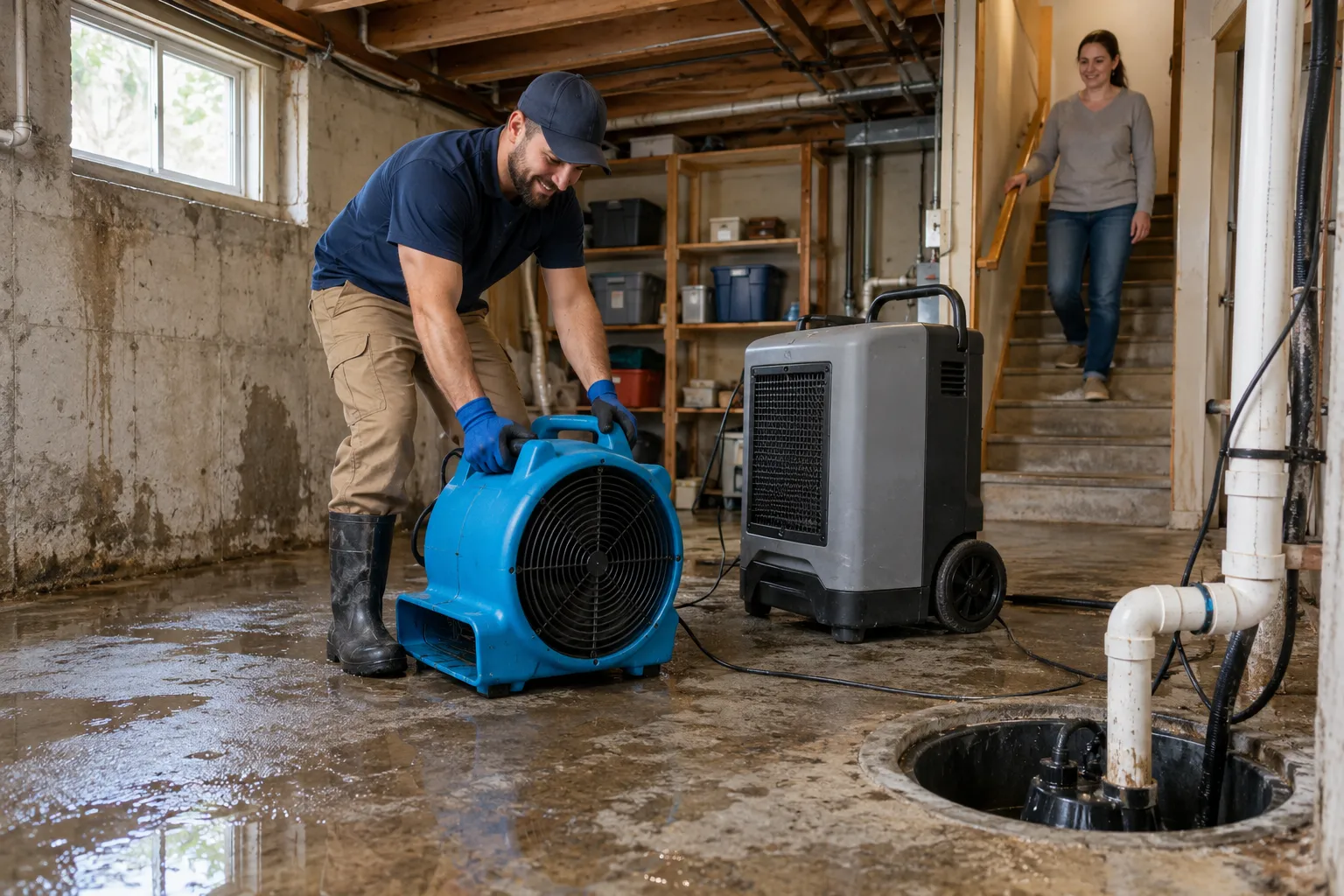
Pumps and strong vacuums remove standing water first. This is the step that makes everything else possible, and it is often the most urgent.
Structural Drying
After the puddles are gone, the building itself is still wet. Providers use air movers and dehumidifiers, and they check moisture in walls, subfloors and framing with meters. Drying continues until readings return to normal.
Cleaning and Sanitizing
Surfaces that touched floodwater need careful cleaning. If the water was unsanitary, the provider may use stronger products and protective gear.
Removing What Cannot Be Saved
Soaked carpet padding, wet insulation and swollen drywall are often removed. It can feel harsh, but leaving wet material in place invites mold and odor.
Finished vs. Unfinished Basements
An unfinished basement with bare concrete usually dries faster. There are fewer layers for water to hide in. A finished basement with carpet, drywall and trim takes more care, since moisture can sit behind walls where you cannot see it. Providers may cut small openings to check and dry those cavities.
Older Home, Careful Look
Frame houses and bungalows from many decades ago often have older foundations, stone or block walls, and past patch repairs. Old materials can react differently to moisture, and earlier fixes may hide new leaks. Ask the provider to inspect these spots closely. Also mention if you know of old paint or insulation, since some older materials need special handling.
After the Cleanup: Dry First, Then Prevent
Once the basement is dry, the smart move is to look at why it flooded. A few simple habits can reduce the chance of a repeat.
Test and Care for the Sump Pump
Pour a bucket of water into the pit and watch the pump start. Consider a battery backup, since storms often bring power cuts. Ask a plumber or the provider about replacement if the pump is old.
Move Water Away From the Foundation
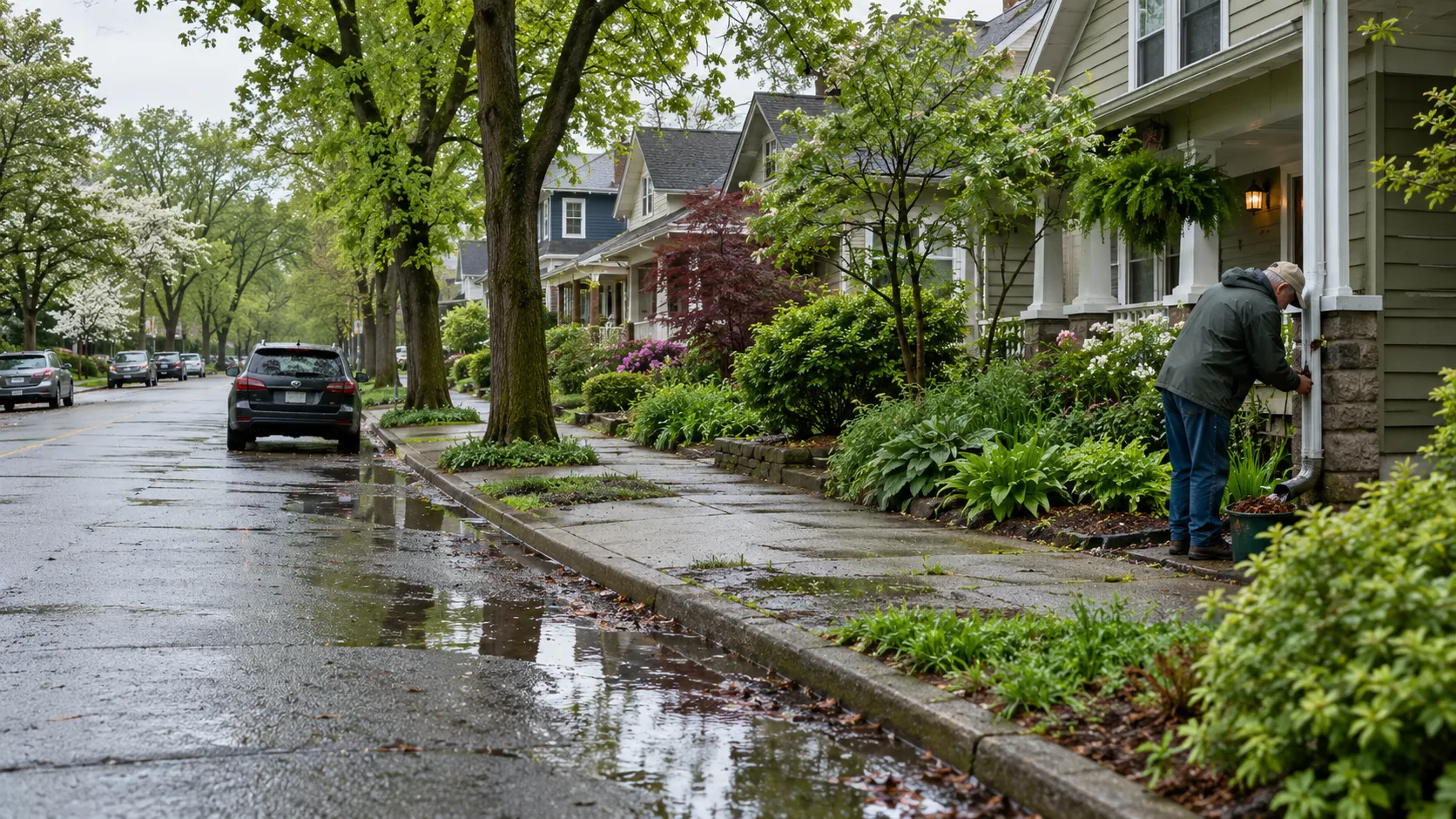
Clean gutters, extend downspouts several feet from the house, and check that soil slopes away from the walls. Seal visible foundation cracks before the next thaw.
Your Belongings
Sort items while the provider works. Hard items like metal tools and plastic bins can often be cleaned. Porous items like cardboard, upholstered furniture and papers soak up contaminants and are harder to save. Take photos of everything before you discard it. Some policies may cover sudden damage, so check your policy, and providers can often help document the loss for a claim.
Questions to Ask the Provider
A good conversation up front avoids surprises. Consider asking:
- How will you find hidden moisture in walls and floors?
- How long will drying equipment stay, and how will you confirm the basement is dry?
- Is the water clean, or does it need extra safety steps?
- What will the written quote include?
- What do you recommend to prevent the next flood?
Request a callback to check provider availability in your part of the Greater Grand Rapids area, or use the form to request an estimate.
What's Included
Water Extraction and Pumping
Pumps and vacuums clear standing water so drying can begin without delay.
Structural Drying
Air movers and dehumidifiers dry walls, floors and framing, checked with moisture meters.
Cleaning and Sanitizing
Floors, walls and surfaces touched by floodwater are cleaned, with extra care when needed.
Debris Removal
Soaked carpet, padding and damaged drywall are removed to help prevent mold.
Typical Flooded Basement Cleanup Costs
Costs vary by water source, depth, basement size and finishes. These are typical U.S. ranges only. Ask each provider for a written quote that lists every part of the job.
| Item | Typical range | Notes |
|---|---|---|
| Water extraction | $300 – $1,500 | Depends on depth and square footage |
| Structural drying | $800 – $3,500 | Equipment and days on site affect price |
| Cleaning and sanitizing | $500 – $2,500 | Higher if water is unsanitary |
| Carpet and pad removal | $500 – $2,000 | Finished basements cost more |
| Drywall and insulation removal | $1,000 – $4,000 | Based on how high water wicked |
| Sump pump replacement | $500 – $2,000 | Battery backup adds to cost |
How It Works
Tell Us What Happened
Share your location, the likely water source and how much of the basement is wet.
Get Matched With a Provider
We connect you with an independent local provider who handles flooded basements.
Review the Written Quote
The provider explains the plan and cost. You decide with no obligation.
Dry, Then Prevent Repeats
After drying, ask about the sump pump, drainage and other ways to keep water out.
Why Call Betterbusy Restoration
Independent Local Providers
Providers in our network are local businesses that do the actual work in your home.
Clear Next Steps
Tell us what happened and we point you toward providers who handle basements.
No Obligation
Request an estimate and compare. You decide whether to hire any provider.
Prevention Mindset
Ask providers what to fix after cleanup so the next storm does less harm.
Other Services
Need flooded basement cleanup services in Grand Rapids?
Questions about water damage? Send a request through the form or email contact@betterbusy.garden. We will point you to an independent provider in our network. No obligation.
No obligationFlooded Basement Cleanup Services FAQ
- How long does flooded basement cleanup take?
- It depends on the depth of the water, the size of the space and the materials involved. Pumping may take hours, but structural drying often takes several days. A provider will check moisture levels and tell you when the basement is truly dry.
- Is it safe to go into a flooded basement?
- Not always. Water near outlets, the panel or appliances can be dangerous, and floodwater may carry bacteria. Stay out until power is off safely, and wear boots and gloves if you must enter.
- Will homeowners insurance cover a flooded basement?
- It depends on your policy and the cause. Some policies may cover sudden damage, but flood and sewer backup often need separate coverage. Check your policy, and providers can often help document the damage for a claim.
Get in touch
Questions about water damage? Send a request through the form or email contact@betterbusy.garden. We will point you to an independent provider in our network. No obligation.
No obligation