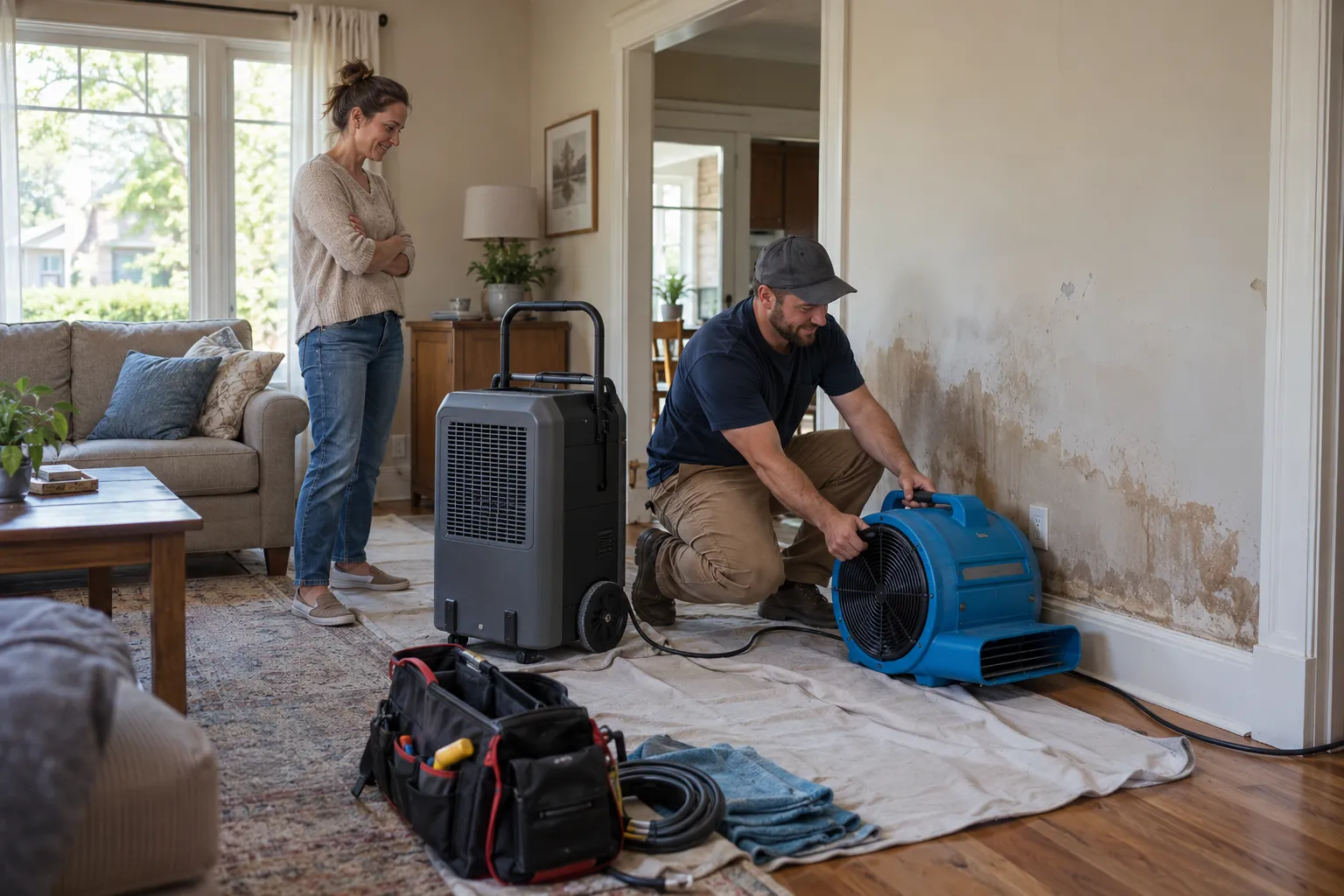
If water has gotten into your home, you want it out and the house dry as soon as you can. Betterbusy Restoration is a referral service for homeowners in Grand Rapids and the Greater Grand Rapids area. We connect you with independent local providers who do the work.
The providers in our network handle water extraction, structural drying, cleanup and repairs. Many can respond quickly, though availability varies. We also care about what comes after. Once your home is dry, a good provider can point out why the water got in, so you can lower the chance of a repeat. Older frame houses, bungalows and sump pump basements get extra attention here.
Water in the House? Start Here
Stay calm and stay safe. Your first goal is to stop more water from coming in and keep your family out of harm's way.
If water is near outlets, appliances or the electrical panel, stay away. Do not step into standing water until the power is off. If you are not sure, wait for a professional.
Quick Steps You Can Take Right Now
- Shut off the main water valve if a pipe or fixture is the cause.
- Turn off power to wet areas only if you can reach the panel safely and dry.
- Move small furniture, rugs and boxes to a dry spot.
- Take photos and short videos of everything that got wet.
- Open windows if the weather allows, to help air move.
Then reach out for help. Many providers can respond quickly, but availability depends on the day and the season.
Why the Clock Matters
Wet drywall, wood and carpet start to change fast. Moisture soaks into hidden spaces. Within a day or two, damp materials can begin to swell, warp or smell musty. In our hot, humid summers, mold can take hold even faster.
That is why a quick call matters. The sooner a provider starts water extraction, the less there is to dry and repair later. Emergency water damage repair often means less tear-out and a smaller project.
What Restoration Usually Covers
Every job is different. Still, most providers follow a similar path. They look at the damage, remove the water, dry the structure, clean what can be saved and repair what cannot.
Water Extraction
Pumps and wet vacuums pull out standing water. This is the first big step, and it makes everything after it easier.
Structural Drying
After the water is gone, moisture stays in studs, subfloors and walls. Providers use air movers and dehumidifiers to dry them. They often track moisture levels with meters, so they know when the job is truly done.
Cleaning and Sanitizing
Providers clean hard surfaces, treat affected areas and remove items that cannot be saved. This step matters most when the water was dirty.
Repairs
Once everything is dry, repairs can begin. That might mean new drywall, flooring or trim. Some providers handle repairs themselves. Others work with a partner.
Not All Water Is the Same
Providers often sort water into three groups. Each one changes how the job is handled.
- Clean water: from a broken supply line or a leaking tank. It is the easiest to deal with, but it can turn worse if left alone.
- Gray water: from a washer, dishwasher or sink drain. It may carry soap and germs.
- Black water: from sewage backups or river and storm flooding. It is unsafe and needs careful cleanup.
Clean water can become gray after a day or two. So do not wait to see how it goes.
Older Home, Careful Look
Older houses hold surprises. Frame homes from many decades ago may have old plaster, original plumbing or layers of past repairs. Water can travel behind walls and under old flooring, and show up far from the source.
If your house is older, tell the provider. Ask them to check hidden spots, not only the wet one you can see. Some older materials need special handling, so a careful look at the start can save trouble later.
Working With Your Insurance
Some policies may cover sudden damage, such as a burst pipe. Slow leaks and flood water are often treated differently, so check your policy. Read it, or ask your agent what applies to you.
Providers can often help document damage for a claim. Photos, moisture readings and a written scope of work are all useful. Keep your receipts, too.
Choosing a Provider
You are letting someone into your home during a hard time. Take a minute to ask good questions.
- Are they independent and local to your area?
- Can they explain the plan in plain words?
- Will they give a written quote before work starts?
- Do they measure moisture to confirm the home is dry?
- Can they check hidden areas in an older home?
Betterbusy Restoration does not do the work. We connect you with providers in our network, and you decide who to hire. There is no obligation.
Keep It From Happening Again
Getting dry is only half the job. Once the repair is done, think about why the water came in.
Our region sees cold winters with deep frost, spring flooding and strong summer storms. Each can test a home in a different way. A few habits help.
- Test your sump pump before the wet season, and check the backup power.
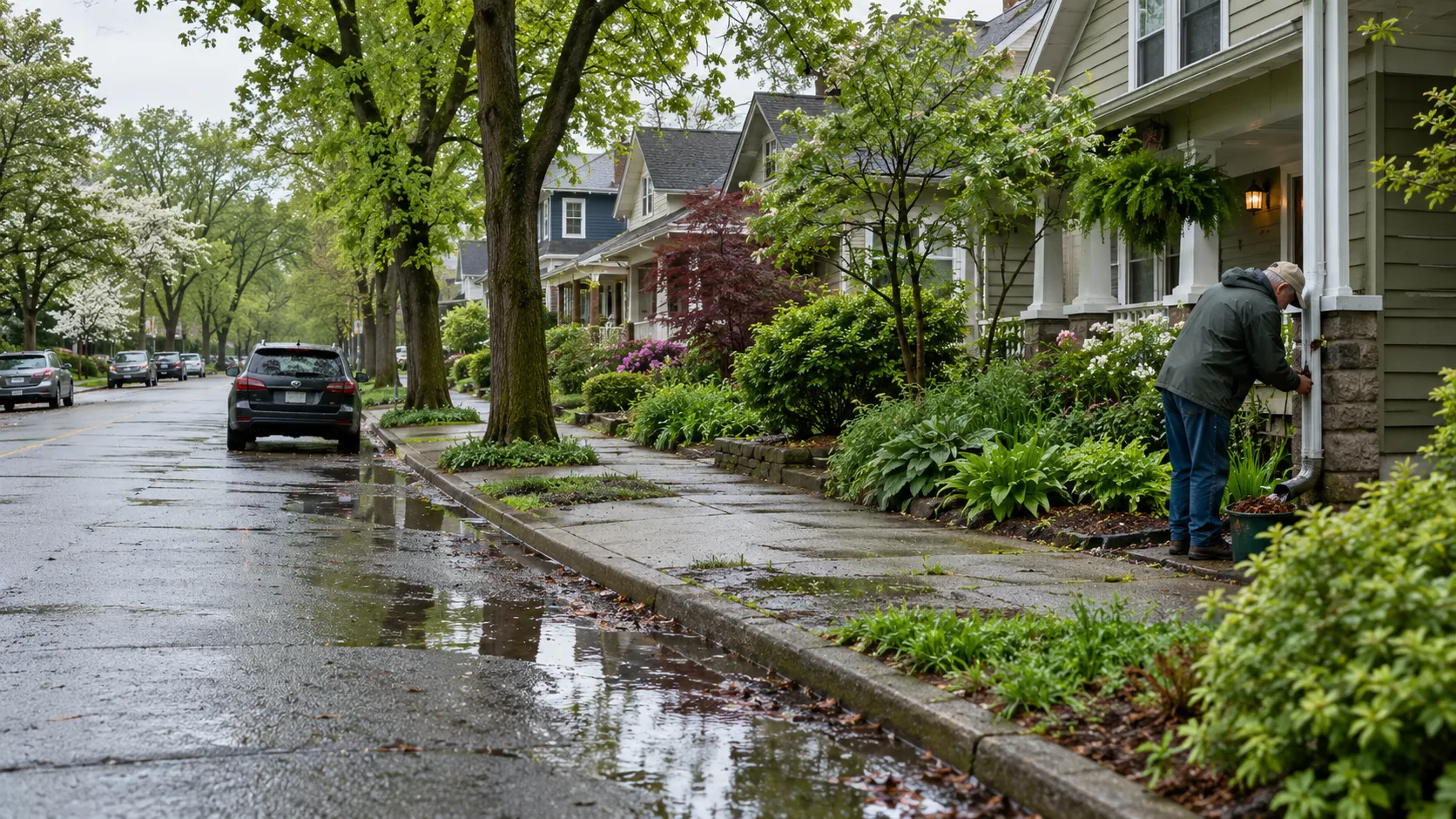
- Keep gutters clear and point downspouts away from the foundation.
- Look at pipes on exterior walls before the first hard freeze.
- Watch for damp spots, stains or musty smells in the basement.
- Replace old supply hoses on washers and sinks.
Know your basement. A quick look each season is a simple way to catch small problems early.
Getting Back to Normal
A calm recovery has a clear path: stop the water, dry the home, repair what was lost, then prevent a repeat. Ask the provider for a plan that covers all four parts.
If you would rather start with a written number, request an estimate and compare your options at your own pace.
What's Included
Water Extraction
Pumps and vacuums remove standing water from floors, carpet and low spots so drying can begin.
Structural Drying
Air movers and dehumidifiers pull moisture from walls, subfloors and framing.
Cleaning and Sanitizing
Providers clean affected surfaces and remove materials that cannot be saved, especially after dirty water.
Repairs and Rebuild
Once dry, providers can replace drywall, flooring and trim, or refer you to a repair partner.
What Restoration May Cost
Costs depend on how much water got in, what it touched and how long it sat. These are typical U.S. ranges only. Always ask for a written quote before work begins.
| Item | Typical range | Notes |
|---|---|---|
| Water extraction | $500 – $2,500 | Depends on depth and area |
| Structural drying | $1,000 – $4,000 | Equipment and days on site vary |
| Cleaning and sanitizing | $300 – $1,500 | Higher for gray or black water |
| Drywall repair | $500 – $3,000 | Based on wall area affected |
| Flooring replacement | $1,500 – $7,000 | Depends on material and size |
| Mold testing and treatment | $500 – $4,000 | Needed only if mold is found |
How It Works
Reach Out
Request a callback to check provider availability, or use the request form to share what happened.
Get Connected
We refer you to an independent local provider in our network.
Review the Plan
Ask for a written quote and a clear scope before work starts.
Dry and Prevent
The provider dries and repairs your home, then you talk about prevention.
Why Call Betterbusy Restoration
Local Providers
Providers in our network work in your area and understand local weather, soil and housing.
No Obligation
You can request an estimate and compare options without any pressure to hire.
Plain Guidance
We explain the steps in simple words so you know what to expect.
Prevention Focus
We look past cleanup to what helps keep water out next season.
Other Services
Need water damage restoration in Grand Rapids?
Questions about water damage? Send a request through the form or email contact@betterbusy.garden. We will point you to an independent provider in our network. No obligation.
No obligationWater Damage Restoration FAQ
- What should I do first when my house floods?
- Stay safe first. Shut off the water source if you can, avoid standing water near electricity, take photos, and then contact a local provider to start water extraction and drying.
- How long does it take to dry a house after water damage?
- It varies with the amount of water and the materials involved. Many jobs take several days. A provider usually checks moisture levels to confirm everything is dry before repairs begin.
- Does homeowners insurance cover water damage?
- Some policies may cover sudden damage, like a burst pipe. Flood and slow leaks are often treated differently, so check your policy. Providers can often help document damage.
Get in touch
Questions about water damage? Send a request through the form or email contact@betterbusy.garden. We will point you to an independent provider in our network. No obligation.
No obligation